Living in Imperial Beach has a rhythm all its own. Salt air drifts down Seacoast Drive. Mornings start with surfers and coffee lines. Afternoons finish with pink skies over the pier. When you move across town here, you’re not just transporting boxes. You’re threading a path through tight beach streets, older duplexes with narrow stairwells, small apartment parking lots with low clearance, and a marine layer that makes everything slick before noon. That is exactly why local movers in Imperial Beach tend to outperform larger, generalized companies on short-distance relocations. They know the micro-details that save time, protect your belongings, and keep your stress level within reason.
What follows isn’t a generic moving guide. It’s a look at the real challenges of short hops around Imperial Beach and the neighboring pockets of South Bay, with practical advice drawn from moves that start before sunrise and end with a last box at golden hour. Whether you’re relocating from a one-bedroom near Palm Avenue to a townhouse off 13th Street, or you’re upgrading from a studio by the estuary to a two-bed closer to Silver Strand, the right team makes all the difference.
The local advantage you can feel on moving day
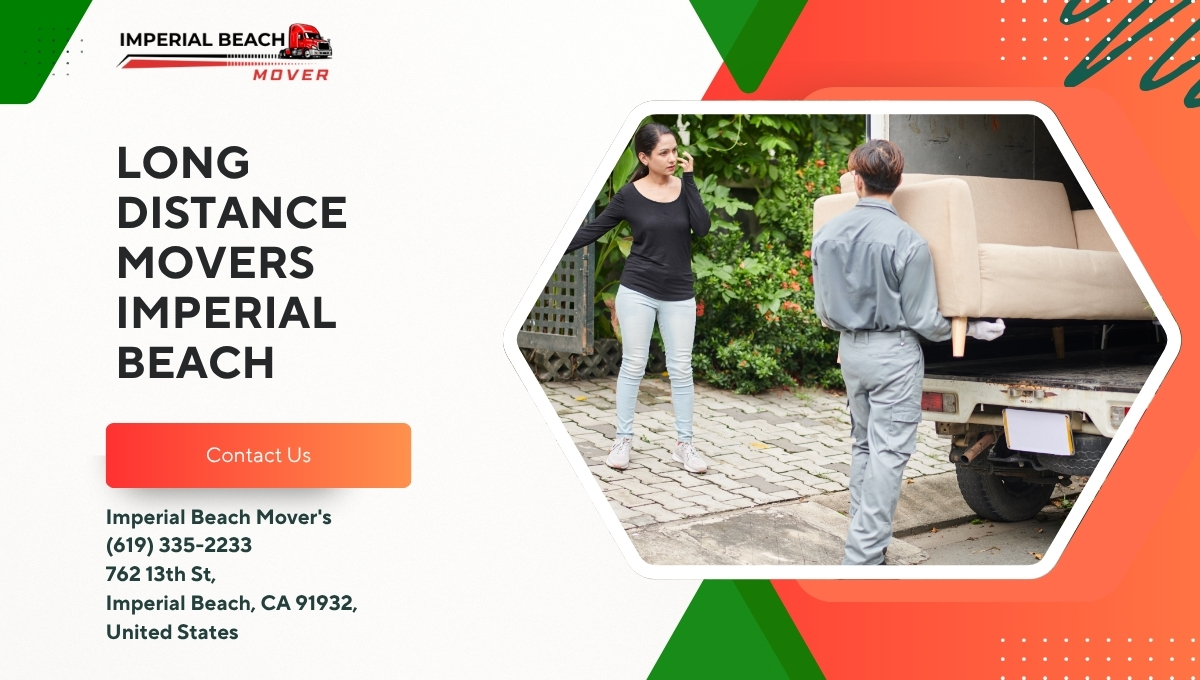
Local movers in Imperial Beach bring more to the job than a truck and some shoulder dollies. They bring ground truth. They know which alleys pinch to single-lane, which streets flood during a king tide, and which buildings require reservations for the elevator that actually works. That knowledge translates into fewer surprises and better timing.
I’ve seen this play out on a Saturday move from an older walk-up east of Seacoast to a gated complex near Imperial Beach Boulevard. The complex had a gate code, guest parking with tow warnings in fine print, and a strict two-hour loading window. A crew new to the area would have lost 30 minutes sorting access. A crew that works Imperial Beach weekly had the property manager’s number, a plan for staging, and a spare parking permit in the glove box. The move finished under the two-hour window, and the client didn’t rack up an extra hour of billing.
Scheduling also benefits from local expertise. Coastal traffic here ebbs and flows in a pattern that looks strange on paper. Early mornings can be busy with base traffic toward Coronado, late mornings quiet down, and afternoons swell again as beachgoers circle for spots. The best Imperial Beach movers time departures to miss those swells and dodge slowdowns at key intersections like 13th and Palm. Shaving 20 minutes off a short route might not sound like much, but in a six-hour hourly booking, you’ll feel it in the invoice.
Apartment moves demand different tactics
A single-family house move lets you stage furniture in a driveway. Many Imperial Beach apartments offer none of that. You might have a single compact spot behind a building, a narrow access road, and a neighbor who needs to leave for work in 40 minutes. lmperial Beach apartment movers, the ones who work these buildings repeatedly, build their plan around constraints that don’t exist in the suburbs.
Narrow stairs and older railings are common in 1960s and 1970s buildings. Good crews carry corner protectors and temporarily pad the rails rather than gamble on a scuff and a damage claim. They’ll break down bed frames and dining tables more often than not, even for short distances, because the odds of scratching a wall increase when you try to muscle one large piece through a tight turning stair.
Elevators require a different rhythm. Some coastal buildings have elevators that must be reserved, padded, and used within a 2 or 3 hour slot. If you have a late start, you risk rolling dollies through common areas without padding, which most HOAs prohibit. Seasoned apartment movers show up 15 to 30 minutes early to install padding and sign elevator logs, then run a tight rotation between elevator, staging area, and truck. The result is fewer pauses and a move that stays within the booked window.
Finally, think about acoustics. Early morning moves echo through courtyard apartments. The best crews keep voices low, carry toolkits to avoid repeated trips, and prioritize tasks that make the least noise first. You might not notice the difference, but your neighbors will, and property managers remember professional behavior.
What short-distance really means for cost and timing
Local moves in Imperial Beach typically bill by the hour, with rates that vary by crew size. In the last couple of years, you’ll see ranges like 120 to 180 dollars per hour for a two-mover crew and 170 to 260 for three movers, truck included. That range depends on factors like day of the week, season, and whether the job requires stairs or long carries. Two blocks or two miles does not always change the total as much as people expect. Load and unload dominate the clock, not drive time.
Here’s a benchmark that proves useful for planning. A furnished one-bedroom with standard furniture and kitchen boxes, second-floor walk-up at both ends, often lands around 4 to 6 work hours with a three-person crew if the path is clear and boxes are taped and labeled. A two-bedroom can run 6 to 9 hours depending on volume and whether you have bulky pieces like a sectional, large dresser, or patio set. Cutting the drive to five minutes doesn’t shave more than 15 to 30 minutes off the whole job. Efficiency comes from prep, parking, and smooth stair logistics.
Local movers Imperial Beach who assign the right size crew at the start save you real money. Too small a crew means longer load times and fatigue. Too large, and you’re paying for idle minutes in tight spaces. Two movers in a narrow stairwell can outpace three, because there’s no room for a third to help. The dispatcher who knows your building will send a two-person core with one floater to stage, then shift that third mover to another job mid-day. It’s a small optimization that only local outfits pull off consistently.
The hidden challenges of beachside logistics
Imperial Beach brings a few quirks that don’t exist a few miles inland. Moisture from the marine layer makes tile and hardwood slippery in the morning. Experienced crews carry rug runners and tape them down before the first dolly roll. Some streets sit just a hair lower than others, so after overnight fog, you can get a slick patch that looks harmless. The right movers slow the pace and preserve their back and your furniture.
Sand is the quiet saboteur. It sticks to dolly wheels and carves micro-scratches into wood floors if you track it inside. Crews that know the area keep a broom and a small mat at the Best Imperial Beach movers threshold. They’ll wipe wheels and lay down corrugated floor protection when the entry sits right off a sandy walkway.
Then there’s the weather swing. Coastal sun might explode out of the fog mid-morning, and truck interiors heat quickly. Wrapped items can sweat. Proper padding and breathable wraps for wood pieces matter. It’s tempting to cut corners on a short move, but a pad compressed between a hot truck wall and a lacquered dresser can leave a print you’ll notice later. The best Imperial Beach movers ventilate the truck for a minute at mid-day and avoid pressing large flat surfaces directly against the truck wall.
Finally, watch for street work and events. Holiday weekends draw crowds and detours. A local dispatcher will move your start time or re-route the approach so the truck doesn’t sit behind beach traffic. That flexibility matters on short leases where you need keys returned by a certain hour.
How to prepare so your move feels short and simple
Your prep effort has more impact than the distance traveled. A well-staged one-bedroom can move faster than a poorly staged studio. If you’re trying to decide where to spend energy in the week before, focus on three things: compress, label, and clear paths.
Compress loose items into sealed boxes. Loose bags always multiply trips. If it fits in a box, put it in a box. Tape the bottom with two strips and the top with one, then run a quick letter code system: K for kitchen, BR for bedroom, LR for living room. The movers will stack boxes by code inside the truck and set them directly in the right room at the new place, which saves you from playing traffic cop at the door.
Label fragile on multiple sides and top. You want the note visible on the dolly and when the box is stacked. If something truly fragile can’t be boxed, like a plant in a ceramic pot, tell the crew during the first walk-through. They will stage fragile items near the door to load last, so they unload first.
Clear paths before the crew arrives. Move area rugs to one side, roll up charger cables, and remove art from narrow hallways. When apartment movers arrive to find a clean runway from couch to door, the pace increases immediately. Tell the dispatcher about oversized pieces and stair quirks in advance. If your sofa only made it in by tilting and removing a door, mention that when you book.
If you have the option, reserve the freight elevator and ask for pads. Many buildings provide them, but only if requested. A 10-minute call can shave an hour off your move.
When a coastal pro pays for themselves
Hiring the cheapest option looks good on a quote page. The math shifts when you add the cost of a scratched floor, a dinged stair post, or a delayed unloading because the truck driver picked the wrong alley. Local movers price based on typical building conditions and carry materials to fit them. They have extra straps for steep ramps, smaller four-wheel dollies for tight turns, and a willingness to hand-carry down a narrow stair rather than force a piece around a corner.
There is also a posture difference. On a move from a duplex near 7th Street to a condo off Iris Avenue, the crew found a last-minute parking conundrum. The condo’s guest lot was full of beachgoers who ignored signage. A local foreman had a backup plan: stage in the fire lane for ten minutes with cones and a spotter, then slide into a freed-up guest spot after a resident left for work. The move kept momentum. A crew without area experience might have circled for twenty minutes while the clock rolled.
Insurance and damage handling also set the professionals apart. Reputable local outfits carry cargo and general liability and can provide proof to a building manager quickly. If a stair nick happens, they take photos, log it, and send a handyman to repair paint within a day or two. You don’t want to chase down a contractor for a rental you’ve already vacated.
Evaluating Imperial Beach movers without guesswork
Shopping for movers often feels like comparing vegetables by looking at price tags without touching the produce. You need a repeatable way to spot the pros who show up on time and handle your belongings with care. Start by looking at how they describe local jobs. If you ask about moving from Seacoast to 9th and the coordinator immediately brings up parking realities, elevator pads, or HOA windows, you’re speaking with someone who knows the terrain.
Ask about crew size recommendations and why. A thoughtful answer will tie crew size to the layout and access, not just the number of bedrooms. Watch for companies that push a larger crew without listening. On the other hand, someone who explains that a two-person crew fits a narrow stair better might save you money.
Request a not to exceed estimate if your building throws curveballs. Companies that know the area can give a reasonable upper bound for predictable scenarios like a second-floor walk-up with moderate furniture. If a mover refuses any bounds whatsoever, you’ll need to manage the clock personally.
Then there’s equipment. Do they bring mattress bags, door jamb protectors, and floor runners as standard, or is it add-on pricing? Best Imperial Beach movers treat basic protection as part of the job. If they nickel-and-dime for every pad and runner, your final bill might outpace a competitor with a slightly higher hourly rate but better inclusions.
One more tell: responsiveness during booking week. If you email a question about an HOA move-in window and traffic timing and get a clear, timely response, that responsiveness usually carries onto moving day.
The small-town feel still matters
Imperial Beach isn’t just geography. It’s a string of relationships. Property managers talk, building maintenance crews talk, and neighbors watch. Local movers live and die by how they treat buildings, not just clients. When a crew cleans up the access path, keeps noise down early, and avoids blocking residents, the building remembers. Next time you need to reserve the elevator or ask for a short-term permission to park a truck near a loading door, that goodwill comes back to you.
This relationship-based approach can even unlock better scheduling. During peak season near Memorial Day or Labor Day, calendar space gets tight. A mover who is on good terms with a property manager can coordinate shared elevator time or point you to an off-peak slot that fits your work schedule.
How to avoid the classic short-move traps
Most short moves go sideways in predictable ways, none of which have to do with distance. The first trap is underestimating volume. People think they can move kitchen items last minute in grocery bags. Bags rip. Movers spend 45 extra minutes corralling stray utensils and pantry bottles. Box the kitchen completely the day before. If you hate packing kitchens, ask your movers for a partial pack add-on. It often takes one mover 2 to 3 hours to box a standard kitchen, and they bring partition kits for glasses that you probably don’t have on hand.
The second trap is playing project manager during the load. Telling movers where to place each box at the destination is helpful. Shadowing every lift at the origin slows the rhythm. The best approach is a walk-through at the start, then check-ins every 30 to 45 minutes. If you have a fragile item or a tricky piece, set it aside and call it out during the first walk-through so it gets priority handling.
The third trap is forgetting the building’s rules. Many Imperial Beach complexes require a certificate of insurance, reserved elevator time, or protective pads. Bring this up at booking. Your movers can generate the documents and get them signed by the store owner or insurer in a day or two. If you wait until moving morning, you risk a halt at the lobby.
What sets standout movers apart on the day
A great crew looks composed, not rushed. They show up a few minutes early, walk the space with you, and outline their sequence: smalls and boxes first to clear staging, then larger furniture. Pads and shrink wrap go on before the first piece leaves the door. The foreman sets the pace, but the crew doesn’t waste time with loud chatter. A steady, professional tempo will move more over six hours than a frantic push that burns out by noon.
Watch how they handle corners and stairs. A two-person lift on a stair should have a top and bottom carrier who communicate silently. You’ll see them pause for a breath at the landing, adjust grip, then clear the turn without scraping. Door jamb protectors and stair rail padding should go on early, not after the third piece. That indicates a crew that thinks ahead.
You’ll also notice good load planning in the truck. They’ll build a wall of boxes for stability, then nestle wrapped furniture pieces with pads as buffers. Securing the load with straps prevents the dreaded slide when the truck hits a speed bump on Iris Avenue. Even on a two-mile move, that care matters.
A simple, efficient moving-day plan
To keep things simple, here’s a compact plan that works well for Imperial Beach short moves, without getting into the weeds or turning into a checklist novel.

- Finish packing and labeling all boxes the day before, set fragile items near the door, and clear hallways. Confirm elevator and parking arrangements by late afternoon. On moving morning, walk the crew through both origin and destination challenges, call out the most fragile pieces, and hand over gate codes or contact names.
That two-step plan looks obvious, yet it’s the single biggest difference between a calm move and a scramble.
When you’re moving three blocks, why hire anyone?
It’s a fair question. Many people try to handle a hyper-local move with a borrowed truck and a few friends. Sometimes it works. The calculus changes if your place has stairs, if you need to hit a building window, or if you own heavy or delicate pieces. An upright piano, a solid-wood armoire, or even a large TV can turn a short move into a long day. Hiring professionals compresses the job to a predictable block of time, usually half a day for a one-bedroom. You’re buying predictability as much as muscle.
Add the risk of damage. A single gouge in an apartment stair can cost several hundred dollars. A cracked TV easily reaches four figures. Local pros carry coverage, and more importantly, they avoid the mishaps in the first place. That quiet confidence is the hallmark of the best Imperial Beach movers.
The bottom line for Imperial Beach relocations
For short-distance moves here, local expertise beats raw horsepower. Crews who know Imperial Beach anticipate the alley that narrows unexpectedly, the HOA with a strict move-in window, the marine layer that turns tile slick, and the sand that chews up unprotected floors. They pace the day to miss traffic swells, bring the right gear for older buildings, and communicate with property managers so you don’t have to play middleman.
If you’re comparing quotes, look past the hourly rate. Ask about experience in your exact neighborhood, what’s included for protection, how they handle apartment moves with limited parking, and whether they can provide a not to exceed range for your layout. Talk through your building’s rules and any oversized pieces. The way a company answers those questions will tell you more than the number on the page.
Short moves are supposed to feel easy. With the right local team, they do. You’ll lock your old door by late morning, and by early afternoon you’ll be unpacking mugs in a new kitchen, listening to the same ocean a few blocks from a different window. That’s the kind of day local movers in Imperial Beach deliver, not with flash, but with craft born from doing this exact job, on these exact streets, week after week.
Contact Us:
Imperial Beach Mover's
762 13th St, Imperial Beach, CA 91932, United States
Phone: (619) 335-2233